What Are the 15 Nutrients in Milk?

A Complete Breakdown for Your Health & Nutrition Blog Milk is one of the most nutrient-dense beverages available, offering a powerful blend of vitamins and minerals essential for growth, immunity, bone strength, and overall wellness. While many people know milk contains calcium and protein, fewer realize it actually provides 15 key nutrients — all in one glass. Here’s a clear, easy-to-read guide to all 15 nutrients found in milk and why they matter. 1. Calcium 2. Protein 3. Vitamin D (fortified in many countries) 4. Vitamin A 5. Vitamin B2 (Riboflavin) 6. Vitamin B12 7. Vitamin B5 (Pantothenic Acid) 8. Vitamin B3 (Niacin) 9. Phosphorus 10. Potassium 11. Magnesium 12. Zinc 13. Selenium 14. Iodine 15. Carbohydrates (Lactose) Why These 15 Nutrients Matter Together, these nutrients make milk a powerhouse for: It’s one of the few foods that naturally combines such a rich mix of essential nutrients in a single serving.
How Are Dairy Cows Treated?
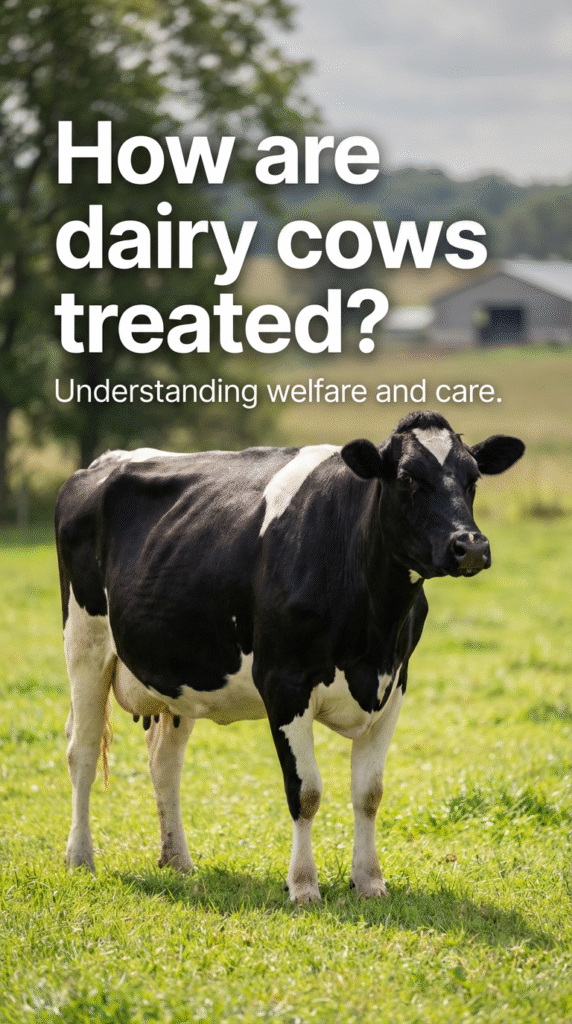
Dairy cows play an essential role in providing milk and dairy products enjoyed around the world. But how they are raised and cared for can vary widely depending on farming practices, regional regulations, and individual farm ethics. Understanding the realities of dairy cow welfare helps consumers make informed choices and supports better standards across the industry. 1. Daily Life on a Dairy Farm Most dairy cows live in herds and spend their days eating, resting, and being milked. Many modern farms emphasize cow comfort, providing: Comfort is directly linked to milk production — healthy, stress-free cows produce more and better-quality milk. 2. Housing: Pasture vs. Barn Systems Pasture-Based Systems Cows graze outdoors seasonally or year-round, depending on climate.Benefits include: Barn-Based (Indoor) Systems Common in colder climates or large commercial farms.Modern barns may include: Welfare depends on space, hygiene, and the quality of management. 3. Milking Process and Cow Comfort Cows are typically milked 2–3 times per day. Automated milking systems are increasingly used, allowing cows to choose when to be milked. Best practices include: A calm environment is important because stress can reduce milk flow. 4. Nutrition and Veterinary Care Cows receive a carefully balanced diet including: Routine veterinary care includes: Many farms follow protocols developed by veterinary nutritionists and welfare experts. 5. Calves and Cow-Calf Separation One of the most debated aspects of dairy farming is separating calves from cows, often within the first 24 hours. Why farmers do this: Animal welfare experts stress: Practices vary, and ethical discussions continue globally. 6. Welfare Standards and Regulations Many countries have strict regulations governing dairy cow treatment, covering: Additionally, third-party certifications like Certified Humane, Animal Welfare Approved, or Organic provide extra layers of accountability. 7. Challenges and Ongoing Improvements The dairy industry faces ongoing welfare concerns, including: However, innovation is helping improve care: Consumers also drive positive change by supporting higher-welfare products. Final Thoughts How dairy cows are treated depends on farm management, welfare standards, and local regulations. Many farms strive to provide comfortable, healthy environments because cow well-being is essential for sustainable milk production. As awareness grows, the industry continues to evolve — balancing productivity with compassion and responsible care.
How to Heat Up Milk?

Heating milk seems easy, but doing it the right way makes all the difference. Whether you’re preparing hot chocolate, a latte, custard, or a baking recipe, gently warming the milk ensures the best flavor and texture—without scalding or burning it. Here’s a quick guide to help you heat milk perfectly every time. 1. Choose the Right Pan Use a heavy-bottomed saucepan, like the one shown in the image. This helps distribute heat evenly and prevents the milk from scorching at the bottom. 2. Heat Low and Slow Milk is delicate. High heat can cause it to: Instead: This method retains its smooth, creamy texture. 3. Stir Continuously Use a whisk or heat-safe spatula to gently stir as it warms. Stirring helps: The whisking motion, as seen in the image, keeps the milk silky and uniform. 4. Watch the Temperature Milk doesn’t need to boil unless a recipe specifically calls for it. General heating guidelines: Signs it’s ready:Tiny bubbles form around the edges and steam starts to rise. 5. Avoid Boiling Unless Necessary Boiling milk can cause: If you must boil it (for pasteurization or traditional recipes), stir constantly and reduce heat once it starts rising. 6. Heating Milk in the Microwave If you’re short on time: Microwaving is fast but requires careful attention to avoid scorching. 7. Flavoring Heated Milk While warming, you can infuse: Add these early so the flavors release gently as the milk warms. Final Tips Stop heating once milk steams—don’t wait for it to boil Never leave warming milk unattended Always stir for the best consistency Use low heat for the smoothest results
Can You Drink Too Much Milk?
A Health & Nutrition Blog Guide Milk is widely loved for its creamy taste and rich nutritional value. Packed with calcium, protein, vitamins, and minerals, it’s often considered a staple in a balanced diet. But is there such a thing as too much milk? The short answer: yes — moderation matters. Let’s break down what happens when milk intake goes beyond healthy levels. The Benefits of Milk (in the Right Amount) Milk provides several important nutrients: Most adults benefit from 1–2 cups per day, depending on dietary needs. What Happens If You Drink Too Much Milk? 1. Digestive Issues Too much milk can cause: Especially for people with lactose intolerance. 2. Excess Calories and Weight Gain Milk is nutritious — but also caloric.Drinking multiple glasses a day can unintentionally add extra calories that lead to weight gain, especially from whole milk. 3. Possible Skin Concerns Some studies link high dairy intake to: This doesn’t affect everyone, but it’s worth noting if you’re acne-prone. 4. Too Much Calcium Over-consuming milk can lead to calcium overload, which may cause: Adults generally need 1,000–1,200 mg of calcium/day — not dramatically more. 5. Iron Deficiency in Children Children who drink excessive milk (especially toddlers) may become full on milk and eat less iron-rich foods. This can lead to iron-deficiency anemia. How Much Milk Is Too Much? While needs vary, here’s a general guide: Drinking more than 3–4 cups daily may start causing problems for many people. Healthy Alternatives to Balance Your Diet If you’re consuming lots of milk, consider mixing in: These help diversify your nutrient sources. Final Thoughts Milk can be an excellent part of a balanced diet — but like anything, too much isn’t always better. Drinking milk in moderation supports bone health, muscle development, and overall nutrition. But going overboard may cause digestive issues, skin problems, or nutrient imbalances. Listen to your body, adjust intake as needed, and choose the amount that fits best with your overall diet and health goals.